3. Board of Directors
The Board of Directors bears responsibility for the medium- to long-term strategic orientation of VP Bank Group. It is responsible for the overall management, supervision and control of the company.
Liechtenstein legislation provides for a clear separation of the overall management, supervision and control duties performed by the Board of Directors and the duties performed by operational management. Accordingly, the Board of Directors of VP Bank consists exclusively of non-executive Members (i.e. Members not actively involved in management).
3.1 Members of the Board of Directors
The Board of Directors of VP Bank consists of seven Members. No Member of the Board of Directors has belonged to Group Executive Management, the Executive Board of VP Bank or the Executive Board of any subsidiary company during the past three financial years.
As a bank, VP Bank maintains business relationships with numerous domestic and foreign companies. This is also true for the Members of the Board of Directors as well as for individuals or legal persons that are closely related to the Members of the Board of Directors.
The list in table below provides information on the names, ages, positions, joining dates and remaining terms of office of the Members of the Board of Directors.
At the annual general meeting of 26 April 2024, Philipp Elkuch was re-elected for a term of office of three years.
Thomas R. Meier declared that he would not be seeking re-election and resigned as Chairman of the Board of Directors after six years in the post and two terms of office. After the annual general meeting, Stephan Zimmermann was elected by the Board of Directors as its Chairman. Stephan Zimmermann was elected to the Board of Directors of VP Bank in April 2023.
In addition, Dirk Klee was elected to the Board of Directors for a term of office of three years at the annual general meeting held on 26 April 2024. However, Dirk Klee resigned from his position on the Board of Directors of VP Bank with effect from 30 September 2024, having taken on a new professional challenge that was incompatible with his role at VP Bank.
Surname | Year of birth | Position | Joined Board of Directors in | Elected until AGM in | Committee memberships |
Stephan Zimmermann | 1956 | Chairman | 2023 | 2026 | Strategy & Digitalisation Committee1, Nomination & Compensation Committee |
Ursula Lang | 1967 | Vice Chairwoman | 2016 | 2025 | Risk Committee1, Nomination & Compensation Committee, Audit Committee |
Dr Mauro Pedrazzini | 1965 | Vice Chairman | 2022 | 2025 | Strategy & Digitalisation Committee, Risk Committee |
Stefan Amstad | 1970 | Member | 2023 | 2026 | Audit Committee1, Risk Committee |
Philipp Elkuch | 1969 | Member | 2021 | 2027 | Nomination & Compensation Committee1, Strategy & Digitalisation Committee |
Dr Beat Graf | 1964 | Member | 2014 | 2026 | Nomination & Compensation Committee, Audit Committee |
Katja Rosenplänter-Marxer | 1981 | Member | 2020 | 2026 | Risk Committee |
1Chairperson
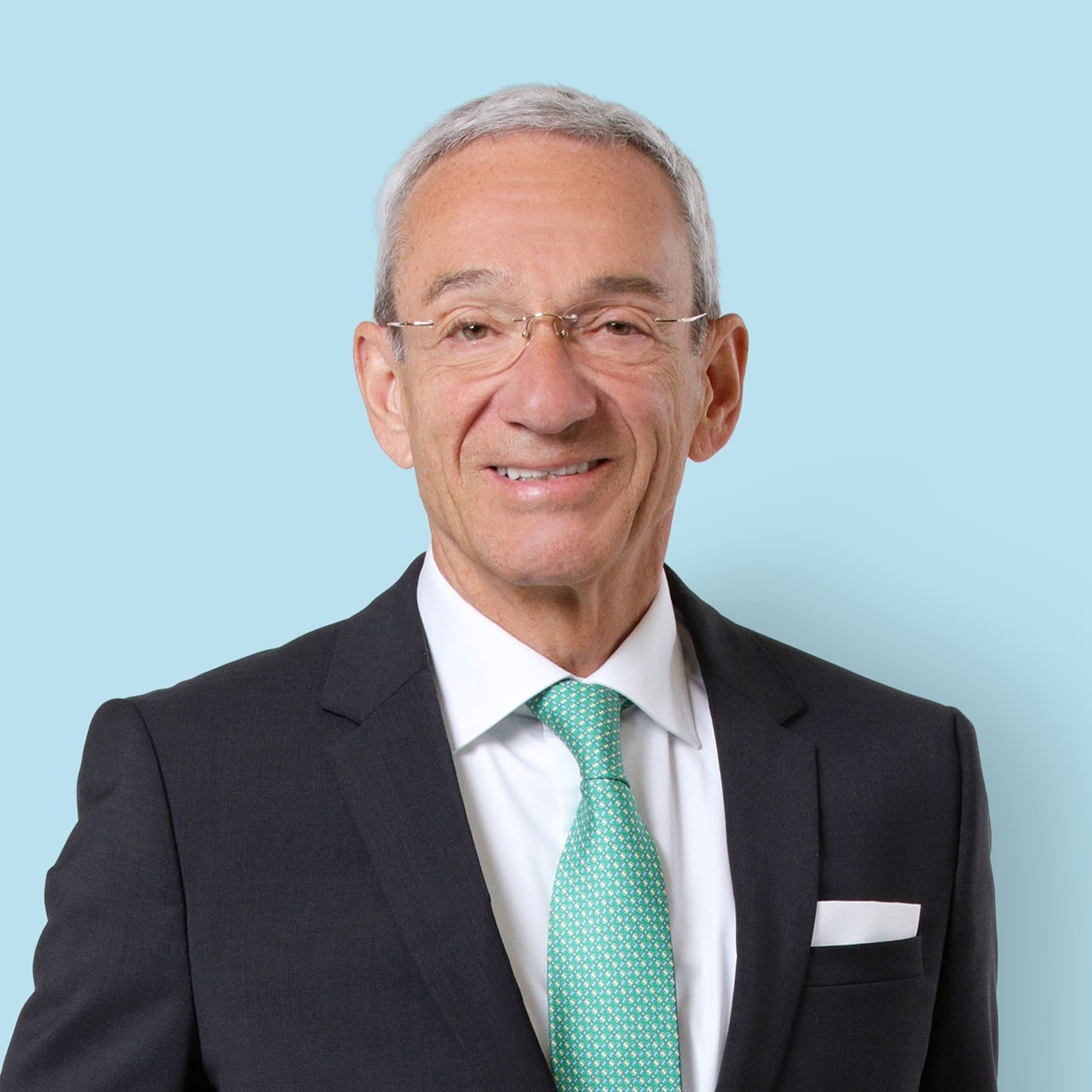
Stephan Zimmermann
Born 1956, Citizen of Switzerland
Chairman of the Board of Directors, Chairman of the Strategy & Digitalisation Committee and Member of the Nomination & Compensation Committee
Education
Professional background
2016–2019: Vice Chairman Global Wealth Management
2014–2016: Strategy Initiatives & Industry Affairs
2011–2014: COO Global Wealth Management
2010–2011: Head of Group Internal Audit
2009–2010: CEO UBS Deutschland AG
2005–2009: COO Global Wealth Management & Swiss Bank
1998–2009: Member of the Group Managing Board
1995–1997: Member of the Group Executive Board
1975–1994: various management positions
Other activities and vested interests
- Member of the Supervisory Board of State Street Bank International GmbH, Munich
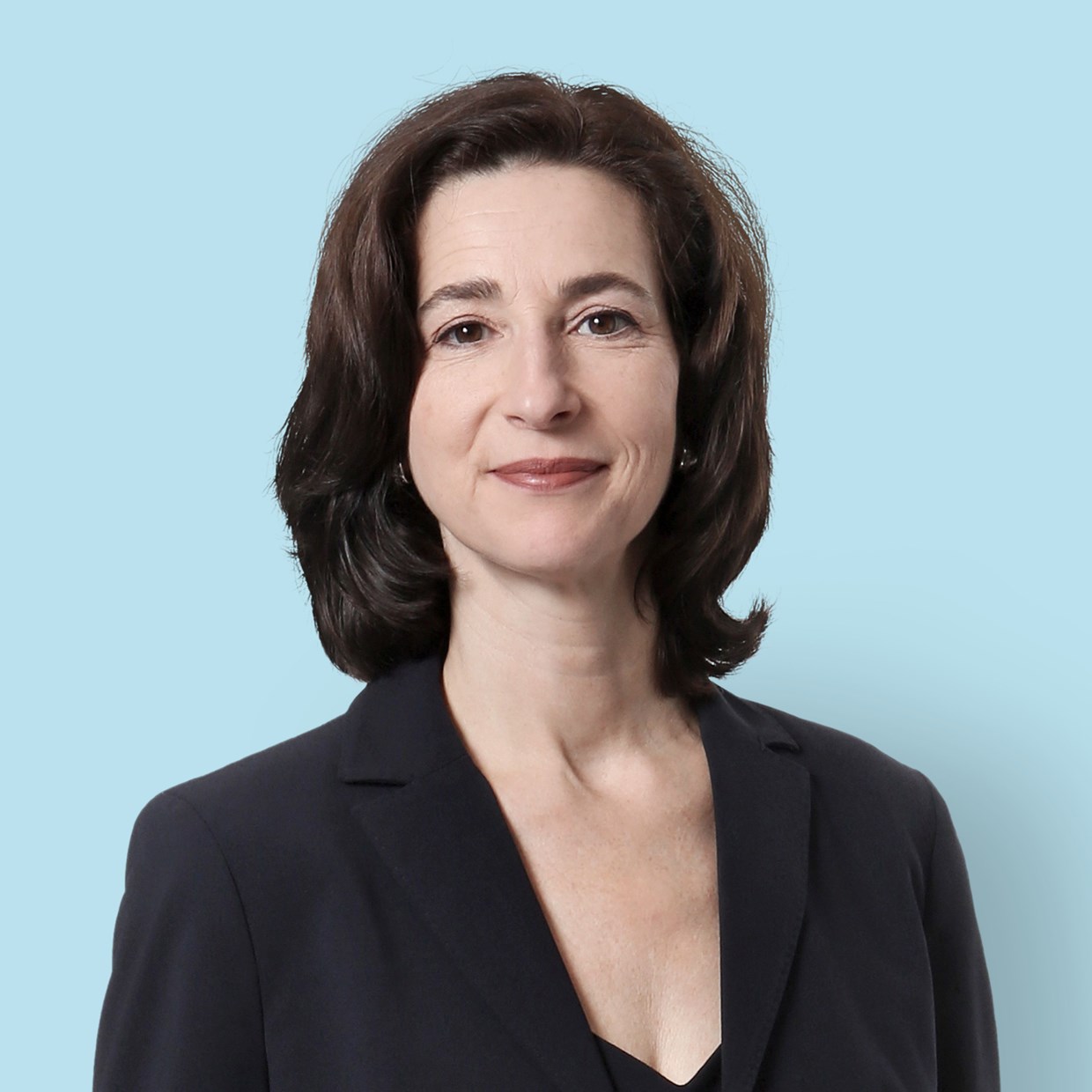
Ursula Lang
Born 1967, Citizen of Switzerland
Vice Chairwoman of the Board of Directors, Chairwoman of the Risk Committee and Member of the Nomination & Compensation Committee and the Audit Committee
Education
Professional background
2011–2013: General Counsel for Switzerland and in the Private Banking & Wealth Management segment
2008–2011: Head of Compliance Switzerland and, from 2009, also Co-Head of Global Compliance
2006–2008: Global Head of Anti-Money Laundering Compliance
2000–2006: Compliance employee at Credit Suisse Private Banking and Credit Suisse Financial Services
1998–2000: Employee in the Legal department
Other activities and vested interests
- None
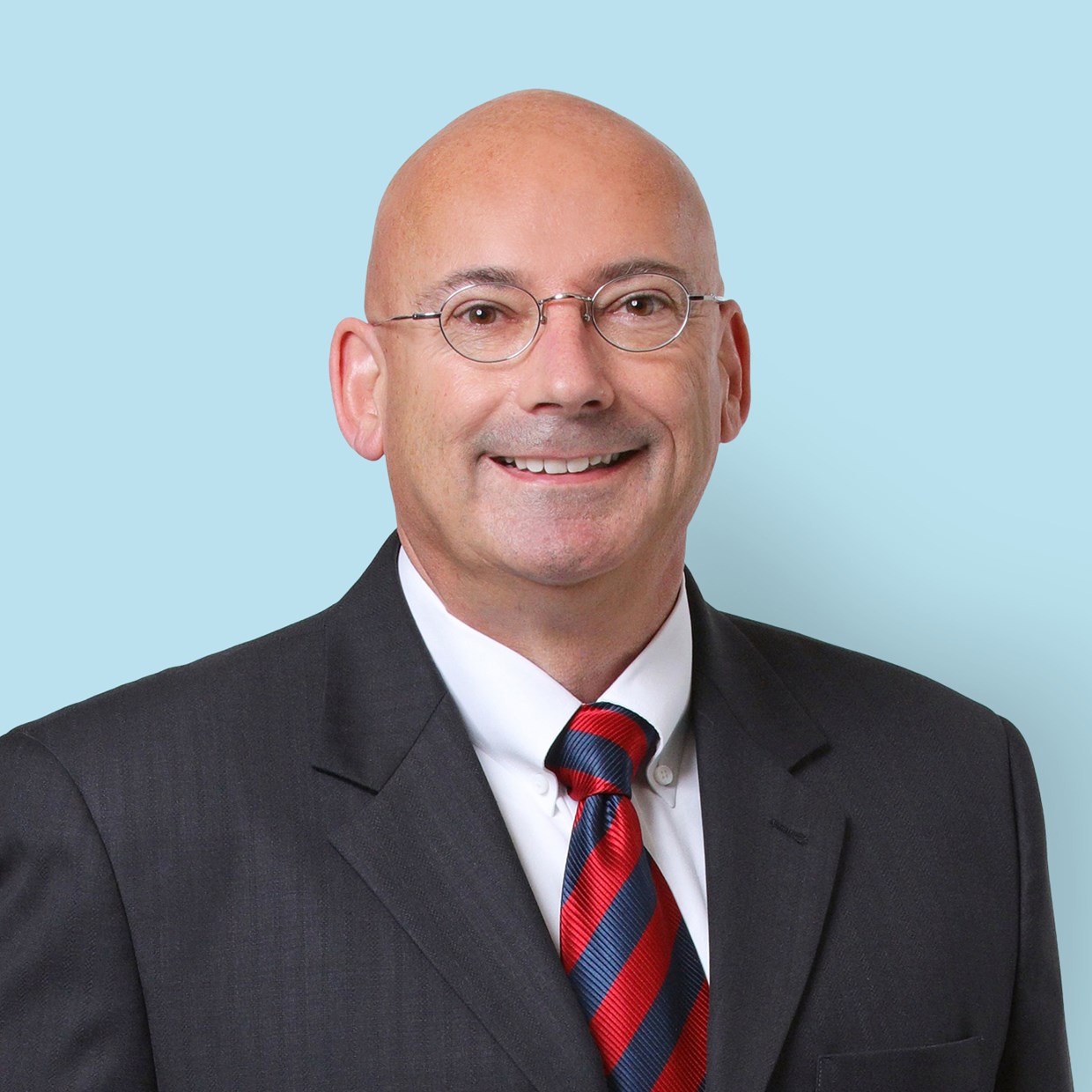
Dr Mauro Pedrazzini
Born 1965, Citizen of Liechtenstein
Vice Chairman of the Board of Directors, Member of the Strategy & Digitalisation Committee and the Risk Committee
Education
Professional background
2003–2013: LLB Asset Management
2001–2003: Liechtensteinische Landesbank AG (LLB)
Other activities and vested interests
- None
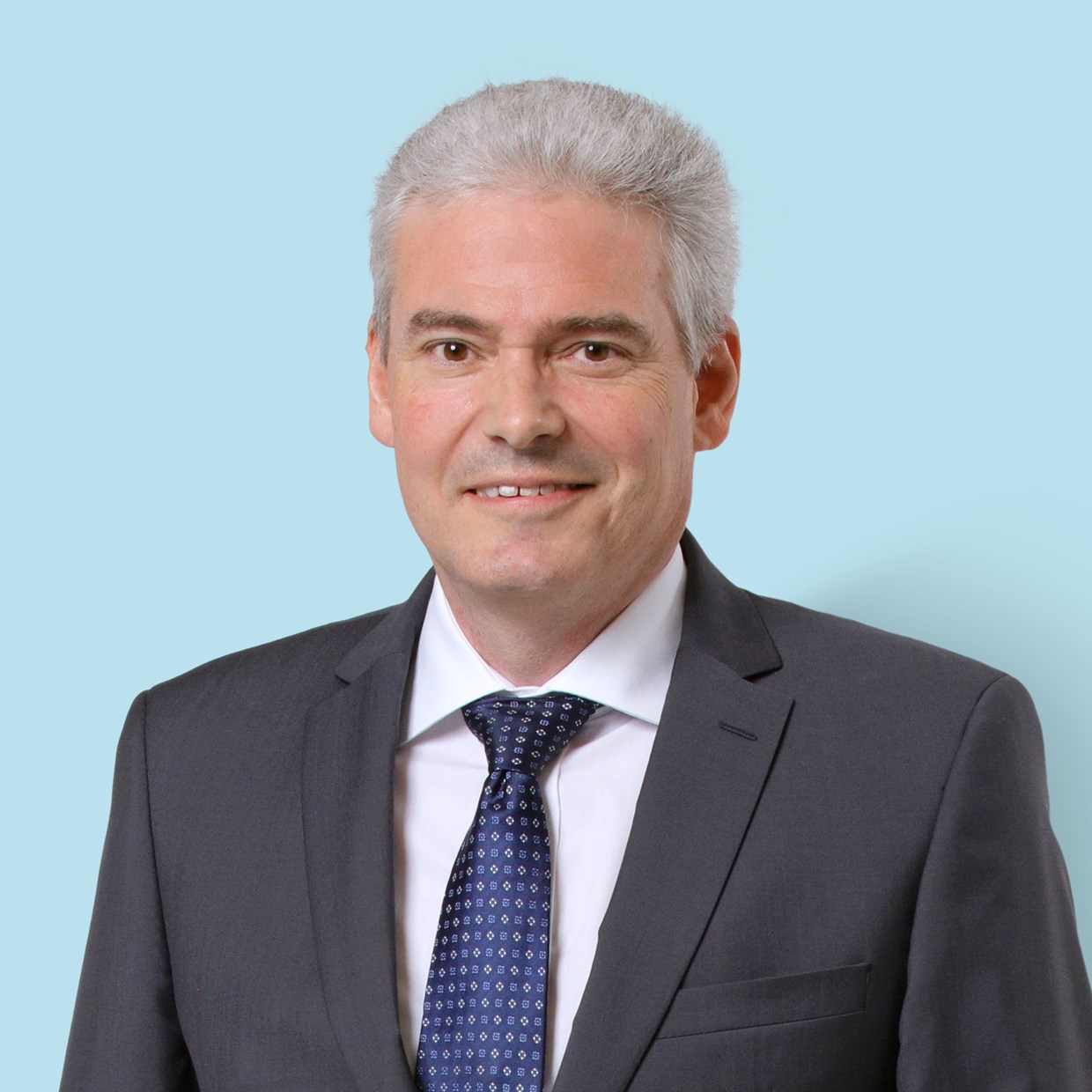
Stefan Amstad
Born 1970, Citizen of Switzerland
Member of the Board of Directors
Chairman of the Audit Committee and Member the Risk Committee
Education
Professional background
Review and advisory services for national and international financial institutions, since 2002 as Lead Auditor of banks and collective investments licensed by FINMA, since 2005 as Partner of Ernst & Young
2008–2011: Country Head Assurance Financial Services and Member of the FS EMEIA Assurance Management Committee as well as Member of the Executive Board of Ernst & Young Switzerland
2005–2008: People Partner Assurance Financial Services Switzerland
2002–2012: Auditor-in-Charge for various large and complex banking audits
Other activities and vested interests
- Co-founder, Chairman of the Board of Directors and unit holder in Sharkgroup AG, Uster, Switzerland
- Member of the Board of Directors of Immo Invest Partner AG, Glattbrugg, Switzerland
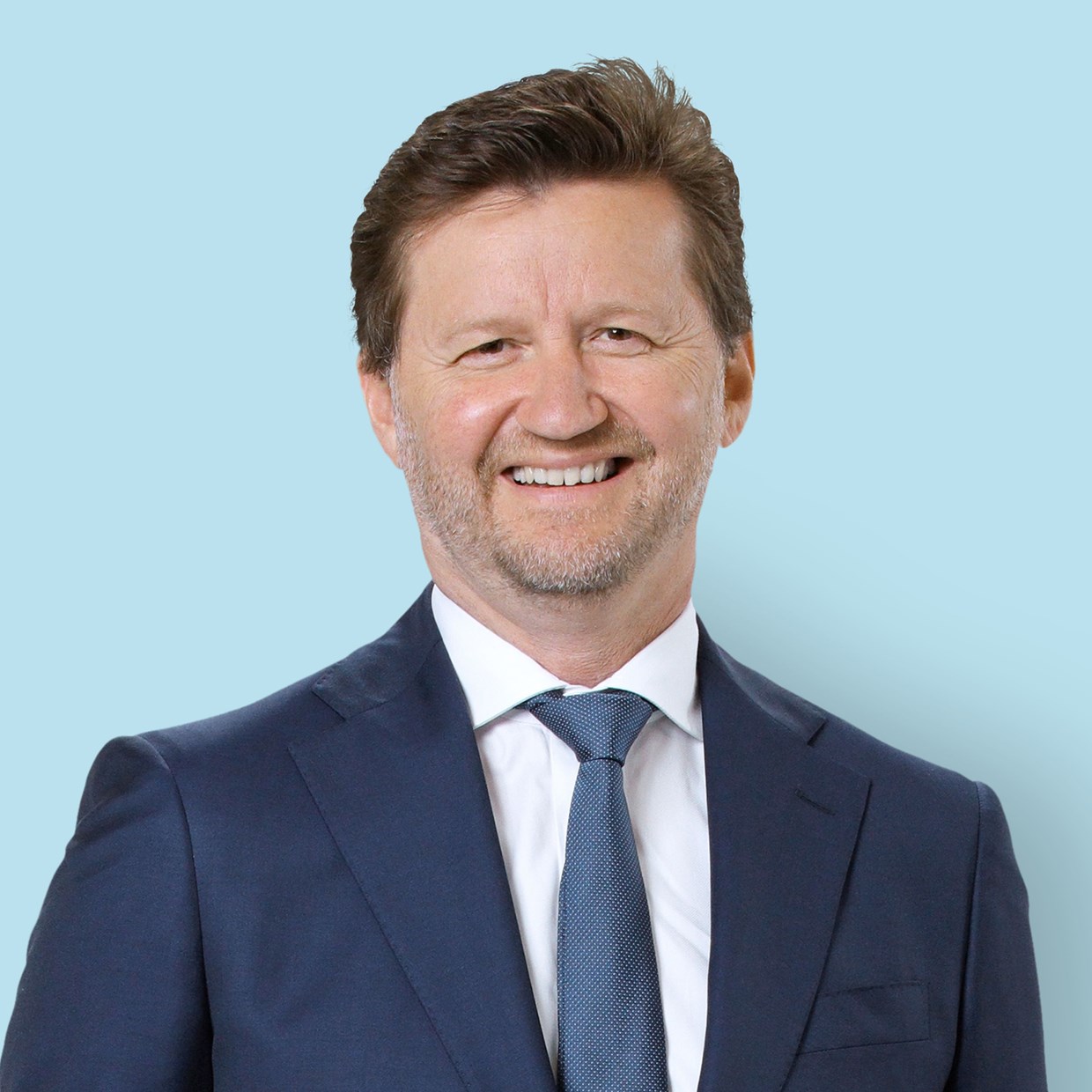
Philipp Elkuch
Born 1969, Citizen of Liechtenstein
Member of the Board of Directors, Chairman of the Nomination & Compensation Committee and Member of the Strategy & Digitalisation Committee
Education
Professional background
2016–2019: Managing Director, Switzerland
2013–2016: Managing Partner, Digital Consulting, Switzerland, Austria and Germany
2010–2013: Member of the Board of Directors of the subsidiary companies in Austria, Czech Republic and Hungary
2012–2013: Senior Vice President, Energy Business Group, Switzerland, UAE and UK
2009–2012: Business Area President, Renewable Energies, Eastern Europe, Switzerland, Germany and Austria
2004–2009: CEO, AFRY Italia, Genoa, Italy
2000–2003: Director, Energy Management Consulting, Switzerland, Germany, Finland and Spain
Other activities and vested interests
- Chairman of the Board of Directors of EVUlution AG, Landquart
- Member of the Board of Initiative digital-liechtenstein.li, Vaduz
- Member of the Board of Directors of Gruner AG, Basel
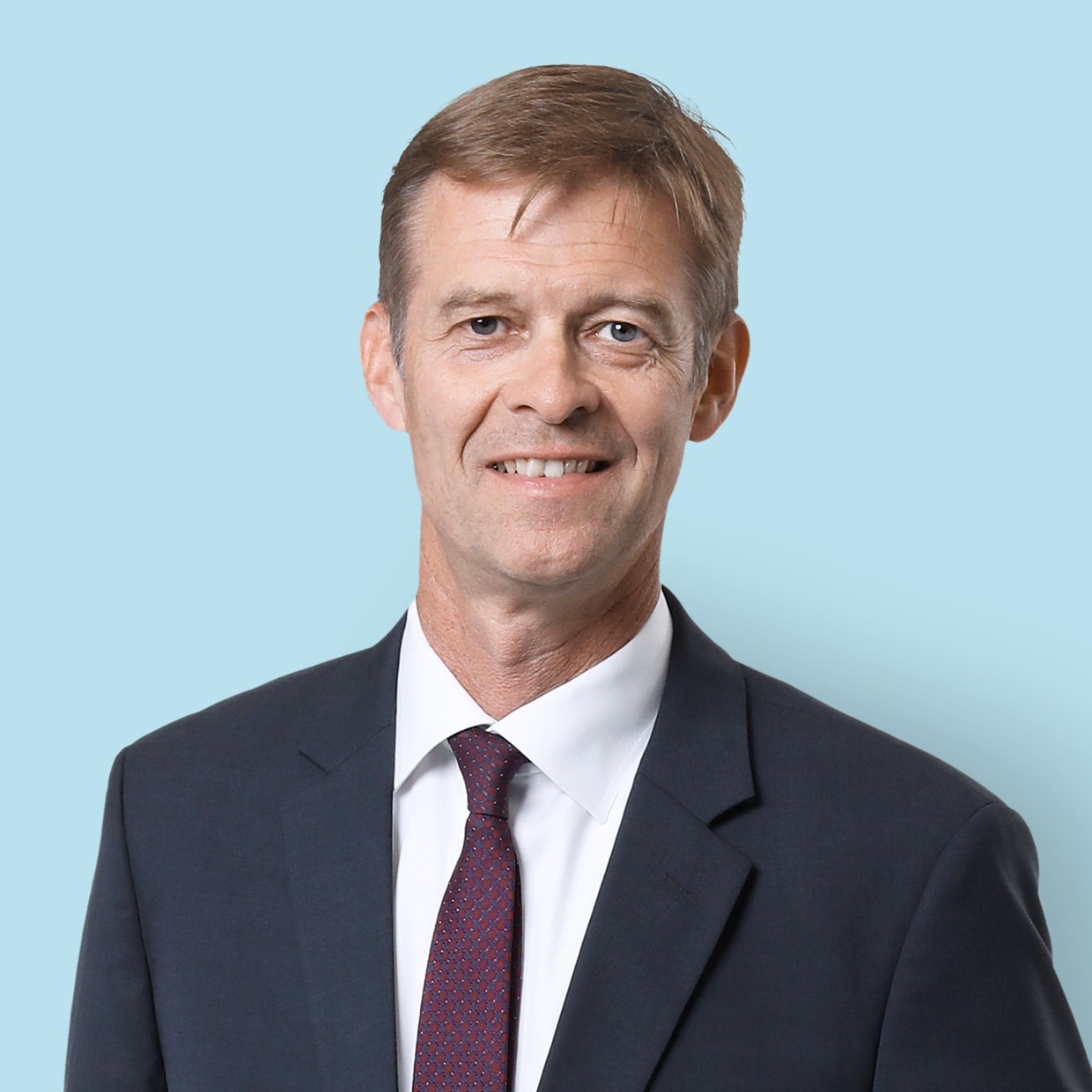
Dr Beat Graf
Born 1964, Citizen of Switzerland
Member of the Board of Directors, Member of the Audit Committee and the Nomination & Compensation Committee
Education
Professional background
Since 2015: Chairman of the Council of Trustees, Chairman of the Executive Board and Member of the Board of Directors of various ATU subsidiary companies
2012–2015: Member of the Executive Board and responsible for the coordination of all ATU subsidiaries
2007–2012: Member of the Executive Board and Head of Compliance
2004–2007: Head of Compliance
1998–1999: Deputy Head of Legal Services Eastern Switzerland
1993–1998: Assistant in the Legal department
1991–1993: Apprenticeship as a corporate client advisor
Other activities and vested interests
- Member of the Board of Trustees of the “Stiftung Fürstl. Kommerzienrat Guido Feger” foundation, Vaduz, Liechtenstein
- Member of the Board of Trustees of the “Privatbank Personalstiftung” foundation, Vaduz, Liechtenstein
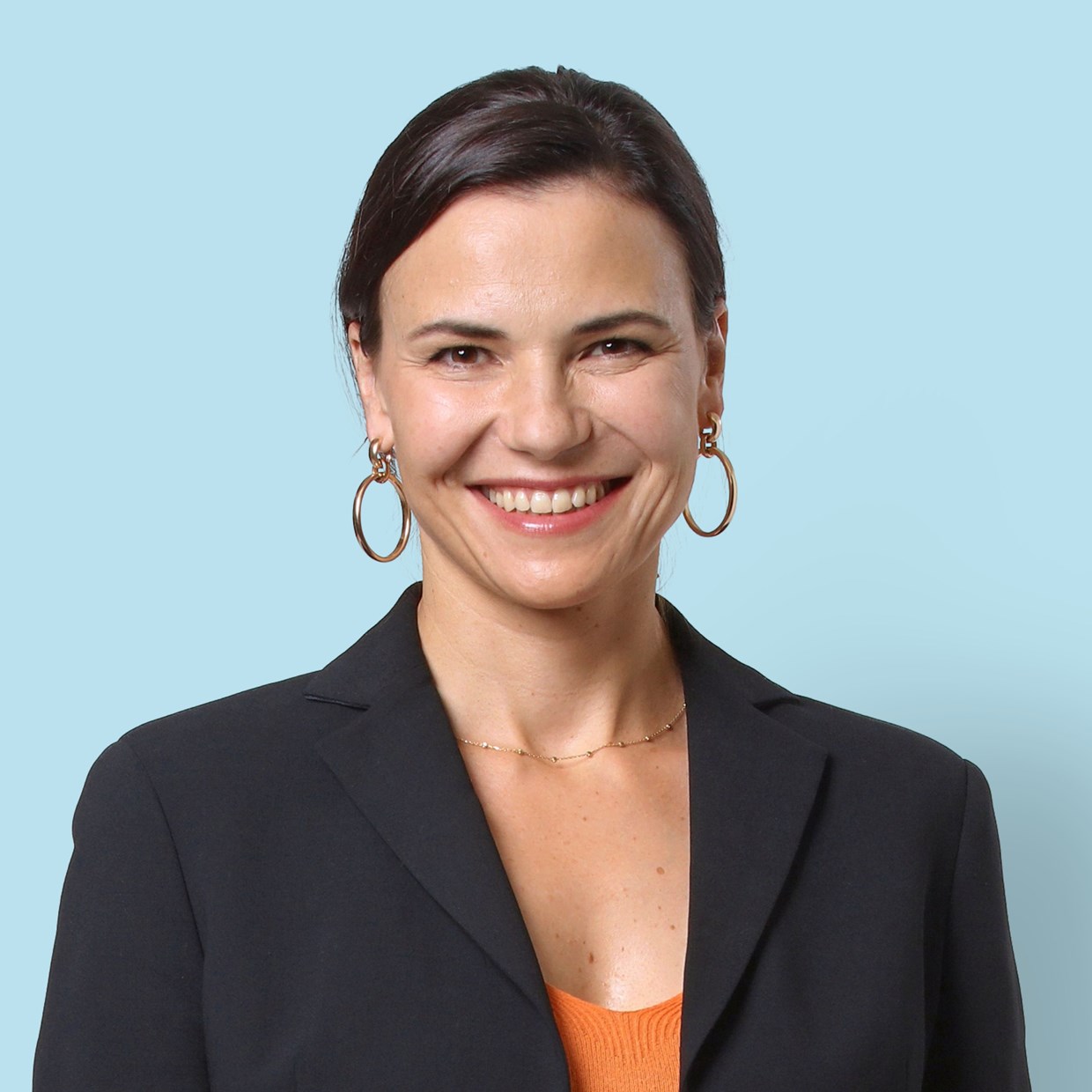
Katja Rosenplänter-Marxer
Born 1981, Citizen of Germany
Member of the Board of Directors, Member of the Risk Committee and Sustainability Officer on the Board of Directors
Education
Professional background
Other activities and vested interests
- Member of the Board of Trustees of the “Lebenswertes Liechtenstein” foundation, Vaduz
- Member of the Board of Directors of Institut für Agrarökologie AG, Aarau
3.2 Other activities and vested interests
The other activities of the Members of the Board of Directors and any interests can be found in the biographies in the previous chapter.
3.3 Number of authorised activities
VP Bank has not issued any statutory rules concerning the number of authorised activities.
3.4 Election and term of office
Details concerning the election and terms of office of the current Members of the Board of Directors can be found in the analysis shown in section 3.1. Pursuant to Art. 16 of the Articles of Association, the Board of Directors must comprise at least five Members who are elected for a term of three years. The Members of the Board of Directors are elected individually (re-election is permitted). The Board of Directors elects the Chairman and Vice Chairman from among its Members for a term of three years (re-election is permitted).
3.5 Internal organisation
The internal organisation and modus operandi of the Board of Directors are set out in the Articles of Association (Art. 17 to 19) and in the Organisation and Business Rules (OBR, sections 2 to 4). The Organisation and Business Rules can be found online at vpbank.com/regulations.
In collaboration with the Executive Board / Group Executive Management, the Board of Directors annually reviews the Group’s strategy in keeping with the provisions of the Articles of Association and the OBR and establishes the medium- and long-term objectives as well as the management guidelines of VP Bank Group. The Board of Directors decides on the annual budget proposed by the Executive Board / Group Executive Management for the head office and Group, on strategically important projects, on consolidated and individual company financial statements, as well as on important personnel-related issues.
3.5.1 Division of tasks within Board of Directors
The Chairman – or, in their absence, the Vice Chairman – conducts, in the name of the Board of Directors, the direct supervision and control of the Executive Board and Group Executive Management. To be able to fulfil its duties in an optimum manner, the Board of Directors is supported by four committees: the Nomination & Compensation Committee, the Audit Committee, the Risk Committee and the Strategy & Digitalisation Committee.
3.5.2 Composition, tasks and areas of responsibility of the Board committees
The tasks, powers of authority, rights and obligations of the various committees are laid down in the OBR. In addition, the functions of the committees of the Board of Directors are governed by way of separate business regulations.
Minutes are kept on the meetings and the matters dealt with by the committees at their respective meetings and submitted to the Board of Directors. In addition, the committee chairmen inform the Board of Directors at the following Board meeting about all important matters as part of a standard agenda item.
Nomination & Compensation Committee
The Nomination & Compensation Committee comprises the Members Philipp Elkuch (Chairman), Stephan Zimmermann, Ursula Lang and Beat Graf. Pursuant to section 3.2 OBR, the committee is primarily responsible for the following tasks:
- assisting the Chairman of the Board of Directors in the fulfilment of their management and coordination duties, as well as the entire Board of Directors on matters of corporate governance, organisation (Articles of Association, regulations) and monitoring of business developments;
- defining the criteria for the election of Members of the Board of Directors for the attention of the Board of Directors; performing the evaluation and submitting the related motions to the Board of Directors;
- submitting motions to the Board of Directors on the composition of the committees of the Board of Directors;
- preparing and submitting motions for the appointment/dismissal of the Chief Executive Officer and, in cooperation with the Chief Executive Officer, the other Members of the Executive Board / Group Executive Management and the holders of key functions;
- evaluating the structure, size, composition and performance of the Board of Directors and the Executive Board / Group Executive Management annually and recommending changes if necessary;
- assessing the knowledge, skills and experience of the individual Members of the Board of Directors and the Executive Board / Group Executive Management as well as of the respective governing body as a whole and communicating the assessment to the Board of Directors and the Executive Board / Group Executive Management annually; assessing the knowledge, skills and experience of the holders of key functions annually;
- reviewing the progress of the Board of Directors in the selection and appointment of the Executive Board / Group Executive Management and making recommendations to the Board of Directors;
- ensuring that the decision-making of the Executive Board / Group Executive Management and the Board of Directors is not influenced by any individual or group in a way that is detrimental to the interests of the bank;
- developing the compensation policy regulations;
- submitting motions to the Board with regard to the compensation paid to the Chairman and other Members of the Board of Directors;
- submitting proposals for the Board of Directors to determine the compensation of the Members of the Executive Board / Group Executive Management and the heads of Risk Management and Compliance;
- dealing with fundamental issues concerning personnel policy (such as salary and equity-participation systems, management development and succession planning, leadership principles, management culture and management development, staff welfare benefits and further development of the diversity policy) for the attention of the Board of Directors.
Audit Committee
The Audit Committee comprises Stefan Amstad (Chairman), Beat Graf and Ursula Lang. The Audit Committee assists the Board of Directors in fulfilling the duties assigned to it under the Banking Act with regard to the overall management, supervision and control of the head office and of VP Bank Group. Pursuant to section 3.3 OBR, the Audit Committee is responsible in particular for the following tasks:
- receiving and dealing with the reports of Group Internal Audit and the auditors under banking legislation as well as assessing the appropriateness of the procedures deployed to remedy the pending matters arising from the audit;
- critically assessing financial and sustainability reporting (individual and consolidated accounts, income statement, statement of comprehensive income, balance sheet, changes in shareholders’ equity, statement of cash flow, notes and annual report, sustainability declaration, interim financial statement);
- critically assessing the changes to principles of financial statement reporting and discussion thereof with the Chief Financial Officer, the Head of Group Internal Audit and the Group Auditor or, as applicable, the lead auditor from the external auditors under banking legislation;
- deciding whether the individual company and consolidated financial statements can be recommended to the Board of Directors for submission to the annual general meeting;
- critically assessing the annual audit process for sustainability reporting;
- assessing the implementation of the bank’s tax strategy;
- assessing the functional capability of the internal control system;
- assessing the measures taken designed to ensure compliance with and observance of legal (e.g. compliance with capital adequacy, liquidity and risk-diversification provisions) and internal provisions (compliance);
- taking note of significant interactions with the respective supervisory authorities and assessing the measures taken to implement the conditions imposed as well as assessing the appropriateness of the procedures implemented to ensure compliance with regulatory conditions imposed and of remedial action taken;
- assessing the methodology and quality (efficacy) of the external auditing firm (external auditors and Group Auditor under banking legislation) as well as cooperation between the internal and external auditors, in particular by examining the reports of the external auditors under banking legislation for the Board of Directors and discussing the planning of the audit by the group auditor and the external auditors under banking legislation;
- monitoring and assessing efficacy, independence and performance, in particular by examining the reports of Group Internal Audit and assessing and approving the audit plan and multi-year planning of Group Internal Audit;
- assessing the performance, fees to and independence of the external auditors, especially in terms of the compatibility of their auditing activities with any advisory mandates they may have;
- advising the Board of Directors on the appointment or dismissal of the external auditors as the auditors under banking legislation, or, depending on the situation, of another independent audit body for auditing sustainability reporting;
- submitting motions to the Board of Directors for the appointment and removal of the Head of Group Internal Audit;
- advising the Board of Directors on the appointment and removal of the Chief Financial Officer.
Risk Committee
Ursula Lang (Chairwoman), Mauro Pedrazzini, Stefan Amstad and Katja Rosenplänter-Marxer belong to the Risk Committee. The Risk Committee assists the Board of Directors in fulfilling the tasks assigned to it under the Banking Act regarding the overall management, supervision and control of the head office and of VP Bank Group. Pursuant to section 3.4 OBR, the Risk Committee is responsible in particular for the following tasks:
- advising the Board of Directors concerning the bank’s current and future overall risk appetite and strategy and supporting the Board of Directors in monitoring the implementation of the risk strategy by the Executive Board / Group Executive Management;
- receiving and dealing with the risk reports as well as assessing the appropriateness of procedures deployed to measure, manage and monitor risks;
- assessing significant risks for the bank and discussing them with the Chief Risk Officer and the competent experts;
- assessing the functional capability of risk management and monitoring as well as of the internal control system;
- assessing the functional capability of the measures taken designed to ensure compliance with and observance of legal (e.g. compliance with capital adequacy, liquidity and risk-diversification provisions) and internal provisions (compliance);
- receiving and dealing with reports from the areas and departments answerable to the Chief Risk Officer;
- assessing the quality (effectiveness) of risk governance as well as the cooperation between Risk Management, Risk Monitoring, the Executive Board / Group Executive Management, the Risk Committee and the Board of Directors;
- reviewing whether the pricing of the offered liabilities and assets takes adequate account of the bank’s business model and risk strategy and, should this not be the case, requiring a plan with corrective measures;
- evaluating whether the incentives offered as part of the system of compensation take into account the risk, equity, liquidity as well as the probability and timing of revenues;
- advising the Board of Directors on the appointment or removal of the Chief Risk Officer.
Strategy & Digitalisation Committee
Stephan Zimmermann (Chairman), Philipp Elkuch and Mauro Pedrazzini belong to the Strategy & Digitalisation Committee. The Strategy & Digitalisation Committee assists and advises the Board of Directors on strategic issues and projects. Pursuant to section 3.5 OBR, the following tasks, in particular, are incumbent on it:
- preparing strategic issues for the attention of the Board of Directors;
- handling strategic issues on an in-depth basis (e.g. digitisation in banking, sustainability);
- ensuring ongoing steering and management processes in the area of strategy;
- assessing the appropriateness of strategy development, implementation and controlling processes;
- reviewing the bank’s vision, mission, corporate objectives and strategy periodically and on an ad hoc basis (strategy review);
- reviewing the implementation of strategic measures using appropriate quantitative and qualitative target values (strategy controlling);
- ensuring that a consistent, effective strategy process is embedded in the bank;
- evaluating the strategic conformity of mergers, acquisitions, collaborations, business cases, etc.;
- critically assessing planning figures and financial implications of strategy plans (including scenario calculations);
- in-depth consideration of relevant client, market and technology developments to ensure the bank’s capacity to innovate.
Surname | Board of Directors | Nomination & Compensation Committee | Audit Committee | Risk Committee | Strategy & Digitalisation Committee |
Number of meetings | 19 | 10 | 6 | 8 | 8 |
Stephan Zimmermann | 19 | 6 | 1 | 8 | |
Dr. Thomas R. Meier1 | 5 | 4 | 3 | ||
Stefan Amstad | 18 | 6 | 8 | ||
Philipp Elkuch | 19 | 10 | 8 | ||
Dr. Beat Graf | 17 | 10 | 6 | ||
Ursula Lang | 19 | 10 | 2 | 8 | |
Dr. Mauro Pedrazzini | 19 | 8 | 8 | ||
Katja Rosenplänter-Marxer | 19 | 8 | |||
Dr. Dirk Klee2 | 8 | 3 | 4 |
1President of the Board of Directors since 26 April 2024
2Member of the Board of Directors from 26 April 2024 until 30 September 2024
3.5.3 Modus operandi of the Board of Directors and its committees
At the invitation of the Chairman, the Board of Directors normally meets seven to ten times per year as well as for one strategy meeting in camera and an innovation day. In principle, the meetings consist of three parts:
- a Board-internal part;
- a consultative part during which Members of the Executive Board and Group Executive Management are also in attendance to present their proposals and exchange information;
- a decision-taking part during which the Board of Directors arrives at its decisions. In order to be informed at first hand, the CEO is also present during the decision-taking part of Board meetings.
Specific topics addressed by the Board of Directors and its committees can require, if needed, that further individuals can be called upon to attend (executives of VP Bank Group, representatives of the auditors under banking legislation, as well as internal or external specialists and advisors). During the financial year 2024, the Board of Directors held eleven ordinary meetings and six extraordinary meetings. In addition, together with the Executive Board / Group Executive Management, the Board of Directors held two all-day workshops concerning strategy and innovation.
The Nomination & Compensation Committee (NCC) usually meets six to ten times per annum. In case of need, the CEO participates in the meetings of the NCC in an advisory capacity. During 2024, the NCC met on ten occasions.
The Audit Committee usually meets on five to eight occasions per annum, with the meeting dates being set to accommodate the needs arising from specific tasks (closing of accounts, financial reporting, auditors’ reports, etc.). The CFO, the Chief Risk Officer and the Head of Group Internal Audit attend the meetings. For the purpose of addressing audit-specific topics, representatives of the external auditing firm (as a general rule, the Auditor-in-Charge) attend the meetings. Last year, the Audit Committee convened for six meetings. At one joint meeting with the Risk Committee, an exchange of information took place with the Executive Board / Group Executive Management regarding the quality of the internal control system and other matters.
The Risk Committee usually meets on five to eight occasions per annum. The Chief Risk Officer and the Head of Group Internal Audit attend the meetings. Last year, the Risk Committee convened for eight meetings.
At one joint meeting with the Audit Committee, an exchange of information took place with the Executive Board / Group Executive Management regarding the quality of the internal control system and other matters.
The Strategy & Digitalisation Committee usually meets on six to eight occasions per annum. The CEO and other representatives of the Executive Board / Group Executive Management attend meetings of the Strategy & Digitalisation Committee. During 2024, the Strategy & Digitalisation Committee met on a total of eight occasions.
Chairman Emeritus Dr Heinz Batliner †
Princely Councillor of Commerce Dr Heinz Batliner, Vaduz, died on 20 September 2024. He joined VP Bank as an Authorised Officer in 1960. He then served as Manager / General Manager and Chairman of the Board of Directors, and he was made Chairman Emeritus of VP Bank in 1996. Under his management, the bank became one of the major banks in Liechtenstein. Both clients and employees were at the heart of his overall thinking as a banker. Due to his excellent specialist knowledge and management style, and in particular thanks to his human qualities, he was always a role model who helped shape the bank’s identity. The Board of Directors, Executive Board and employees of VP Bank are extremely grateful for his exemplary commitment to the bank’s prosperity and will cherish the memory of Dr Heinz Batliner.
3.6 Rules on competences
The Board of Directors is the corporate body in charge of overall management, supervision and control of the Executive Board. It bears ultimate responsibility for the strategic direction of VP Bank Group. The powers and duties of the Board of Directors are laid down in detail in Art. 17 of the Articles of Association as well as in sections 2.2 to 2.4 OBR. The tasks and competencies of the four Board committees are described in section 3 OBR.
The Board of Directors has delegated to the Executive Board / Group Executive Management the responsibility for the operational management of VP Bank Group as well as the overall management, supervision and control of the subsidiary companies of VP Bank Group. The tasks and competencies of the Executive Board / Group Executive Management are laid down in the Articles of Association (Art. 21) and in the OBR. The OBR contains more detailed provisions regarding the Executive Board / Group Executive Management in section 5 thereof.
3.7 Information and control instruments vis-à-vis the Executive Board and Group Executive Management
The Board of Directors and its committees have at their disposal various informational and control tools for managing and supervising the activities of the Executive Board / Group Executive Management. Among those instruments are the strategy process, medium-term planning, the budgeting process and reporting.
The Members of the Board of Directors regularly receive various reports: monthly financial reports (individual company and Group basis), risk-controlling reports, as well as periodic reports on the semi-annual and annual financial statements (consolidated and individual company accounts). The latter also contain qualitative information, as well as budget variances, period-specific and multi-year comparisons, key performance indicators and risk analyses, all of which cover the head office, the subsidiaries and the Group in aggregate. These reports enable the Board of Directors at all times to gain a picture of significant developments and the risk situation. Those reports that lie within the scope of tasks of the Audit or Risk Committees are dealt with by the respective committee and corresponding motions are forwarded to the Board of Directors for approval. The most recent reports undergo a comprehensive review at each Board meeting.
The Board of Directors reviews twice a year the implementation of business strategies and strategy controlling on the basis of the reporting by the Executive Board / Group Executive Management.
A further important instrument to assist the Board of Directors in fulfilling its supervisory and control function is Group Internal Audit, which conducts its activities in compliance with the internationally recognised standards of the Institute of Internal Auditing Switzerland (IIAS) and the Institute of Internal Auditors (IIA). The duties and powers of Group Internal Audit are laid down in specific regulations.
As an independent body, it examines in particular the internal control system, management processes and risk management.
The Chairman of the Board of Directors receives all minutes of the Executive Board / Group Executive Management meetings. In addition, this person also exchanges information with the CEO on a weekly basis and on an ad hoc basis with the other Members of the Executive Board / Group Executive Management.